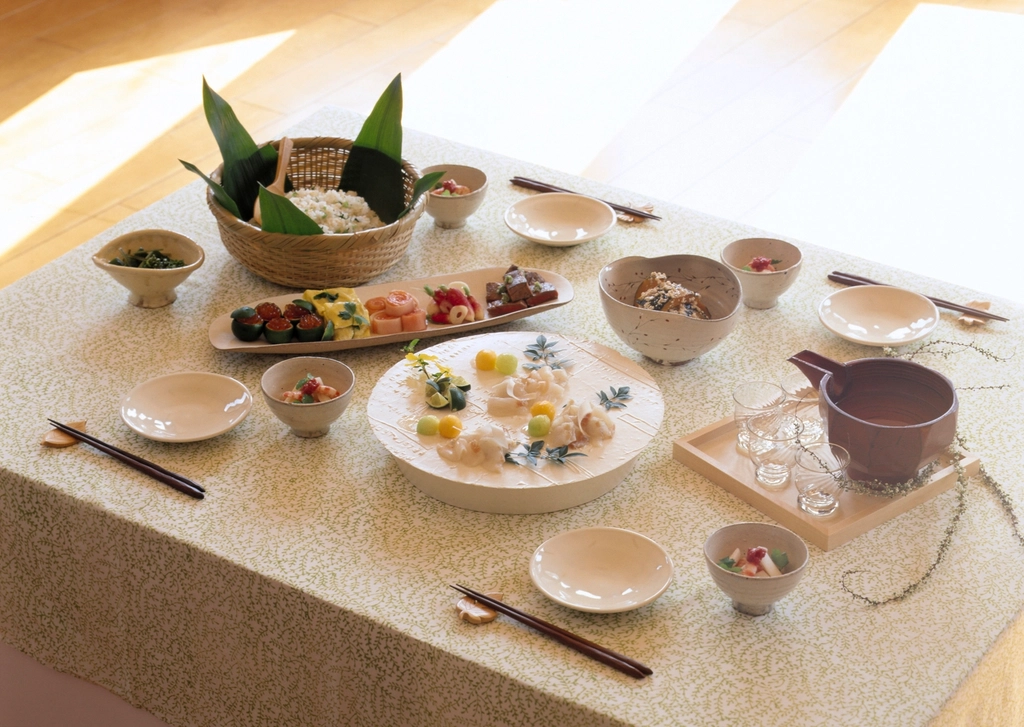
How to Enjoy a Kappo Dinner: Etiquette, Seasonal Dishes, and What to Expect
If you have ever wondered what to expect at a kappo dinner, the short version is this: relax, pay attention, and let the meal unfold.
How does kappo differ from kaiseki? What should you wear, say, and do at the counter? What kinds of seasonal dishes might appear during the year? Those are the questions most first-time guests bring with them. Japanese official tourism guidance repeatedly points to seasonality, presentation, and considerate manners as part of the dining experience, which is a good place to start before you sit down for a kappo meal. Travel Japan’s food etiquette guide and its dining-in-Japan overview are both useful references if you want a clear, visitor-friendly baseline.
Kappo is a style of Japanese dining built around seasonal ingredients, close chef-to-guest interaction, and a meal that feels responsive rather than rigid. That does not mean formal rules are absent; it means the meal often feels more direct and conversational than a typical restaurant visit. If you want a broader cultural frame, the Japan National Tourism Organization’s guidance on Japanese customs and etiquette is a steady, practical companion. For readers who want to understand kaiseki more clearly, JNTO’s kaiseki guide is also helpful background.
In this guide, you will learn what kappo means, how it differs from kaiseki and omakase, what a seasonal course may include, how to behave comfortably at the counter, and how to communicate dietary needs or reservation questions without turning dinner into a performance. The goal is simple: help you arrive calm, curious, and ready to enjoy the meal.

What Is Kappo Dining?
The word kappo refers to a style of Japanese cooking and service where the chef prepares dishes in front of guests, often at a counter. The atmosphere is usually calm and attentive. You may see ingredients being finished to order, small plates arriving in sequence, and the chef adjusting the pace based on the room. That is part of the charm. It is not a show, exactly; it is more like watching a conversation take shape in food.
Compared with casual Japanese restaurants, kappo feels more personal and seasonal. The menu may change often, and the cooking may respond to what is best at the market or what suits the weather. The idea of shun, or ingredients at their peak, matters a great deal in Japanese dining. That seasonal focus is one reason kappo can feel different from a standard fixed menu.
Kappo vs. Kaiseki and Omakase
These three terms are related, but they are not identical.
| Style | Simple definition | What to expect |
|---|---|---|
| Kappo | Chef-led counter dining with seasonal preparation in view of guests | Direct interaction, flexible pacing, and a strong sense of freshness |
| Kaiseki | A more formal multi-course dining style built around seasonality and presentation | Carefully sequenced courses with a refined, structured flow |
| Omakase | “I leave it to you” — a chef-curated meal chosen for the guest | The chef decides the sequence, often based on ingredient quality and timing |
The key difference is not that one is “better.” It is that each creates a slightly different kind of meal. Kappo usually feels more interactive than kaiseki and more dining-room specific than the broad idea of omakase. A kappo chef may explain ingredients, make small adjustments, and guide the meal as it unfolds. That gentle exchange is often what guests remember most.
Seasonal Dishes in Kappo Dining
Seasonality is one of the best clues for what will appear on the table. You will not usually find the same fixed lineup year-round. Instead, a kappo meal may shift with the weather, the harvest, and the chef’s judgment about what tastes best right now.
Spring
- Light grilled fish with fresh herbs
- Bamboo shoots or mountain vegetables
- Delicate clear soups
- Early spring seafood and bright garnishes
Summer
- Chilled or lightly dressed dishes
- Stronger emphasis on clean, cooling textures
- Seasonal fish, tofu, and crisp vegetables
- Preparations that feel lighter in warm weather
Autumn
- Mushrooms, root vegetables, and richer broths
- More robust grilled dishes
- Ingredients with deeper, earthier flavor
- Plating that often reflects the colors of the season
Winter
- Hot pots or warming soups
- Heartier fish and simmered dishes
- Comforting broths and slow-cooked elements
- Courses designed to feel satisfying without becoming heavy
If you want a plain-language explanation of why Japanese menus change with the calendar, the Agency for Cultural Affairs’ food culture page on the seasons is a strong reference. In practice, the seasonal focus means your dinner may be a little different from what you expected — which is usually the point.
Basic Etiquette for Kappo Dining
You do not need to memorize a ceremony. You do need to be attentive, polite, and unhurried. That is enough.
- Arrive on time. Counter dining works best when everyone starts together.
- Greet the staff simply. A calm hello and a small thank-you go a long way.
- Wait for guidance before sitting or beginning. The team will usually help you settle in.
- Use chopsticks carefully. Avoid pointing, waving, or sticking them upright in rice.
- Keep conversation moderate. A few questions about ingredients or preparation are welcome; loud group chatter usually is not.
- Follow the pace of the meal. The chef may time dishes carefully. You do not need to rush them or the food.
A useful rule of thumb: if you are unsure, slow down and observe. Japanese dining etiquette often rewards restraint more than performance. That is good news for the rest of us.
Handling Dietary Restrictions and Reservations
If you have allergies or dietary restrictions, share them clearly when you reserve. Do not wait until you are seated. Smaller restaurants may plan ingredients in advance, so early notice gives the staff a better chance to respond properly. Keep the message short and specific: name the ingredient, the severity of the restriction, and whether cross-contact is a concern for you.
For a useful reservation mindset, JNTO’s general guidance on Japanese dining and customs is a good benchmark: be clear, courteous, and direct. If plans change, notify the restaurant as early as possible. A simple note like “I’m sorry, but I need to change my reservation” is usually enough to start the conversation.
Interacting with the Chef and Staff
At a kappo counter, interaction is part of the experience, but it should stay easy. You do not need a special script. A few plain English phrases are often enough:
- “What is this dish?”
- “What would you recommend today?”
- “Thank you, it tastes wonderful.”
- “I have a question about one ingredient.”
In Japanese dining, gratitude matters. A sincere thank-you after each course or at the end of the meal is never wasted. If you are unsure what to say, respectful curiosity is a safe place to start. The chef will usually do the rest.
For readers preparing for a restaurant visit more broadly, it can also help to review the restaurant’s own pages before you arrive. Start at the homepage, then check the menu, reservations, about the restaurant, or contact if you need to ask a question first. That tiny bit of homework saves a surprising amount of awkward fumbling at the door.
Checklist for First-Time Guests
- Confirm the reservation time and party size
- Share allergies or dietary restrictions in advance
- Arrive a little early rather than a little late
- Bring a respectful, quiet attitude to the counter
- Keep your phone on silent unless you truly need it
- Ask questions politely if you are curious
- Say thank you at the end of the meal
What a Good Kappo Dinner Feels Like
The best kappo dinners do not try to overwhelm you. They guide you. The meal should feel balanced, seasonal, and personal without becoming fussy. If you understand the basics of kappo etiquette, the differences from kaiseki and omakase, and the role of seasonal dishes, you are already well prepared.
In short: arrive on time, be polite, stay curious, and let the kitchen lead. That is usually enough to have a very good evening.
Key points to remember:
- Kappo emphasizes seasonal ingredients and direct chef interaction.
- Kaiseki, kappo, and omakase overlap, but they are not the same.
- Seasonal dishes change with the time of year, so flexibility helps.
- Simple, respectful etiquette makes the meal smoother for everyone.
- Clear communication about reservations and restrictions is the practical next step.