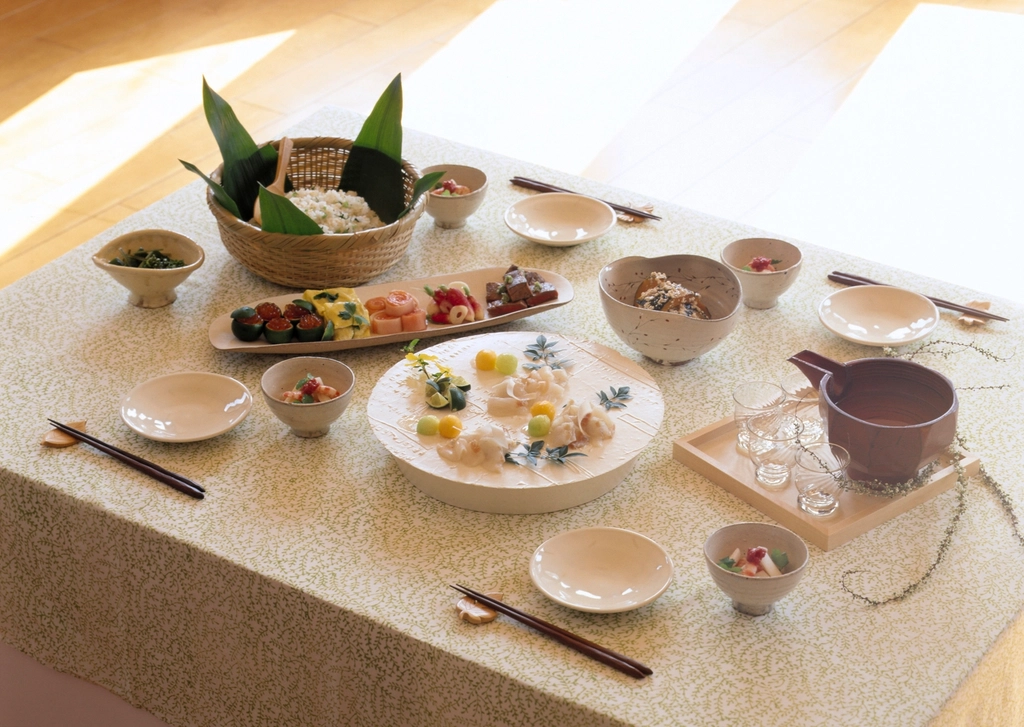
Omakase vs. Kappo: What’s the Difference, and Why It Matters Now
Why Omakase and Kappo Are Often Confused
In practice, diners often hear omakase and kappo used in the same conversation. That is understandable. Both point to chef-led Japanese dining, both tend to center the counter, and both can feel personal rather than fixed to a printed menu. But they are not the same thing, and the difference matters when you are choosing a restaurant.
At the simplest level, omakase is a service style built around trust: you leave the sequence to the chef. Kappo is a dining format built around preparation in front of guests: the chef cooks, finishes, and serves dishes at a counter. The overlap is real, but so is the distinction. For a useful overview of Japanese dining vocabulary, MICHELIN’s explainer on Japanese dining styles is a solid starting point, and the Japan National Tourism Organization’s food etiquette guide is helpful for the basics of table behavior. See MICHELIN’s Japanese dining guide and JNTO’s etiquette guide.

Define Omakase in Plain English
Omakase means “I leave it up to you.” In dining, that usually means the chef chooses the sequence of dishes, the pacing, and often the day’s ingredients. The guest does not order each course one by one. Instead, the meal unfolds as a guided tasting.
That does not automatically mean sushi, though sushi is the most familiar format for many diners. Omakase can involve sashimi, cooked courses, grilled items, rice, soup, and desserts. The important point is that the chef controls the progression. As MICHELIN notes in its broader guide to Japanese dining styles, omakase is a chef-led experience shaped by trust and seasonality.
Define Kappo as a Counter-Style Dining Approach
Kappo is best understood as a counter dining style. The chef works in front of the guest, often with close interaction, and prepares dishes as the meal moves along. The focus is direct and practical: seasonal ingredients, live preparation, and a clear line of sight between kitchen and table.
MICHELIN’s article on kappo cuisine describes it as a style where the chef cooks in front of guests and serves directly from the counter. The Okura Tokyo describes its kappo counter in similar terms, and notes that omakase-style service is commonly part of the experience. That is the useful rule: kappo is about the room and the service format; omakase is about who decides the course sequence.
For a current restaurant example, Sanoya publicly uses both phrases together in English—“Japanese Restaurant Omakase style Sanoya” and “Japanese omakase Kappo Sanoya.” That kind of wording is common because modern dining rooms often blend the two ideas rather than separating them cleanly.
Why Many Modern Restaurants Use Both Terms
Contemporary Japanese dining often mixes the labels because the guest experience blends them. A kappo counter may also offer an omakase progression. An omakase restaurant may present its food from a counter in a kappo-like setting. The terms describe different parts of the same operating picture.
That overlap shows up in current coverage from MICHELIN, which links omakase and kappo in modern fine dining. The market has not made the language simpler; it has made the experience more hybrid. For diners, that means the label on the front door is only a clue. The real answer is in the description of how the meal is served.
What a Guest Can Expect at a Kappo/Omakase Counter
If you book a kappo-style or omakase-style counter, expect a meal with a controlled pace. Courses usually arrive in a deliberate sequence. The chef may speak briefly about ingredients, ask a practical question, or adjust the flow based on what is freshest that day. The room tends to be quiet enough for conversation, but focused enough that the food remains the center of attention.
- Pacing: courses are timed, not rushed.
- Interaction: you may speak with the chef, but the meal is still structured.
- Ingredients: seasonal fish, vegetables, broth, rice, and carefully prepared side dishes are common.
- Menu structure: the meal may be fixed, partly fixed, or entirely chef-selected.
That format is not about performance for its own sake. It is about reducing friction. The chef controls the kitchen side of the equation; the guest gives the chef room to do that work cleanly.
How to Read a Restaurant’s Description Before Booking
Do not stop at the headline. Read the full description. If a restaurant says “omakase,” look for clues about whether the menu is fully chef-selected or only partly so. If it says “kappo,” check whether the meal is seated at a counter, whether the chef is visible throughout service, and whether the course structure is fixed.
Useful phrases to watch for include:
- chef’s choice
- counter seating
- seasonal tasting
- multi-course menu
- reservation required
If the description is vague, that is a warning sign. Ask before booking. A restaurant that is careful with its own language is usually careful with the meal as well.
For site visitors who want more background from this domain, see the About page, browse the blog index, or use the contact page if you have a specific question.
Etiquette Basics for First-Time Guests
Good etiquette at a counter is simple. Arrive on time. Keep your phone use restrained. Do not interrupt the flow of service unless you need something practical. If the chef explains a dish, listen before reaching for seasoning or sauces. And if the restaurant gives a specific instruction, follow it.
- Arrive on time and be ready to sit promptly.
- Keep strong perfume or cologne to a minimum.
- Do not handle dishes roughly or rearrange them without cause.
- Ask about ingredients politely if you have a dietary concern.
- Thank the chef and staff clearly when service ends.
These are not ritual tests. They are basic operational habits. They help the room stay calm and let the food do its work.
Why This Distinction Matters for kappou-nakagawa.com Visitors
For readers interested in Japanese dining, the difference between omakase and kappo is useful because it changes expectations. It tells you whether the chef is deciding the sequence, whether the counter itself is part of the experience, and how much structure to expect before you walk in.
That is especially important for anyone choosing between restaurants with similar wording. The right decision is rarely about buzzwords. It is about format, pacing, and whether the room matches the meal you want. If you understand the terms, you reduce the chance of booking the wrong kind of dinner.
Short FAQ
Is kappo always omakase?
No. Kappo describes a counter-style, chef-driven service format. A kappo restaurant may offer a chef-selected menu, but the terms are not identical.
Is omakase always sushi?
No. Sushi is common, but omakase can include many other dishes. The defining feature is chef-led selection, not sushi alone.
Can a restaurant be both?
Yes. Many modern restaurants use both terms because the service style and the menu style overlap. In that case, read the booking details closely and treat the wording as a guide, not a guarantee.
If you want to keep exploring, the blog is the best place to start, and the contact page is there if you need a direct answer.
Further reading: MICHELIN on kappo cuisine, The Okura Tokyo’s kappo counter overview, and Kappo Sanoya’s English site.