The Role of Presentation in Kappo Dining
Presentation in kappo dining is doing real work, not decorative work. It guides attention, sets pace, and prepares the diner for flavour before the first bite lands. In Japanese cuisine, that idea sits comfortably beside seasonality, balance, and restraint.
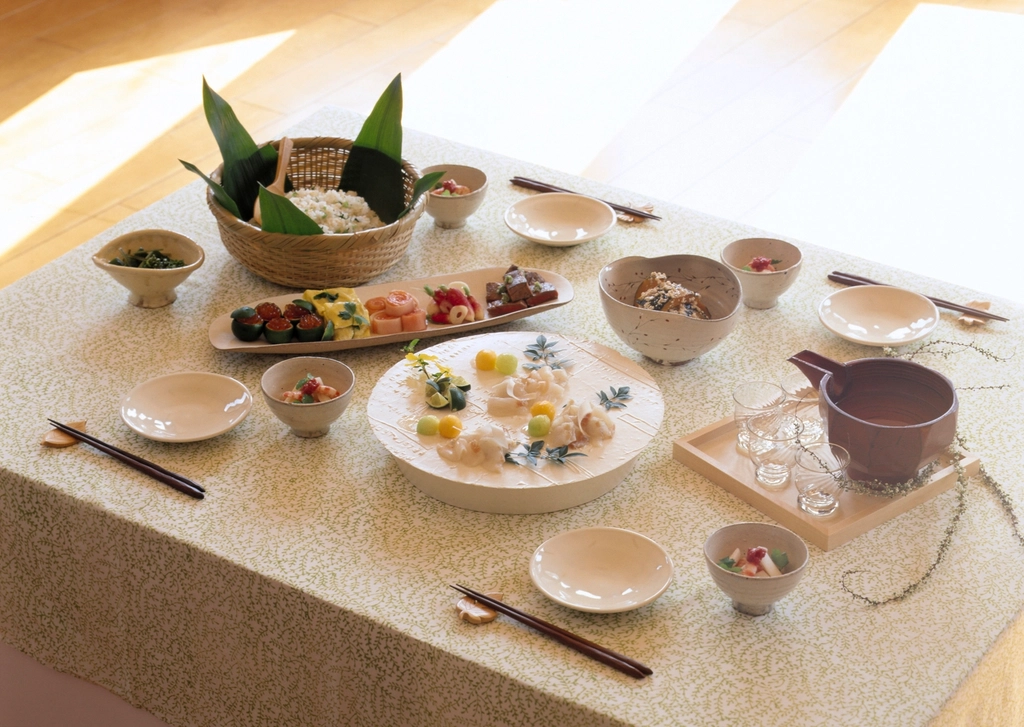
What food presentation does in a kappo meal
At its best, presentation is not extra garnish. It is part of the course design. A good plate tells you what matters first: temperature, texture, contrast, and season. That is why the visual arrangement often feels calm rather than crowded. The chef is not trying to win an art contest; the plate is trying to make the food easier to understand.
This approach fits broader Japanese dining values, where harmony and seasonal awareness matter as much as technical execution. The Japan National Tourism Organization describes kaiseki as a seasonal, multi-course tradition built around carefully selected ingredients and presentation, which is a useful lens for kappo dining too. For a concise overview, see the JNTO guide to kaiseki cuisine.
Cultural significance in Japanese dining
Japanese food presentation reflects a few long-standing habits: respect for ingredients, attention to the seasons, and an awareness that the diner experiences a dish in stages. A plate might echo autumn with a maple leaf garnish, spring with tender greens, or winter with a cooler palette and tighter composition. The point is not literal decoration. It is to give the dish a seasonal identity.
That seasonal mindset shows up in cultural references too. The Agency for Cultural Affairs has a helpful overview of Japan’s food culture and the central role of the seasons in it. If you want a broader cultural frame, the official page on seasons in Japanese food culture is worth a look.
For readers who want a more general background on Japanese cuisine and presentation traditions, the Japanese cuisine overview is a decent starting point. It is broad, but it helps place kappo within the larger dining culture.
Techniques that shape presentation in kappo dining
Good kappo presentation usually relies on a few repeatable techniques. They are simple on paper and annoyingly hard to execute well, which is usually how the useful things work.
- Colour contrast: pale fish against dark lacquerware, or bright vegetables against a neutral plate, keeps the dish visually clear.
- Texture balance: something crisp next to something soft helps the plate feel complete before the diner even starts tasting it.
- Negative space: leaving room on the plate avoids clutter and makes each element easier to notice.
- Height and flow: a slight rise or directional line draws the eye through the dish instead of flattening everything into one plane.
- Seasonal serving ware: bowls, ceramics, and lacquerware can reinforce the mood of the dish without shouting over it.
These choices are practical, not mystical. A chef may place ingredients to control which aroma reaches the diner first, or to keep a delicate item from wilting under a warmer garnish. The result is a plate that feels deliberate from the first glance to the final bite.
For a good visual reference on plated Japanese dining, the official Japan Travel food guide includes examples that show how seasonal ingredients and careful arrangement work together.
Why the visual layer changes the experience
Presentation changes perception. A well-composed dish can make a modest ingredient feel more vivid, while a poorly arranged plate can make excellent food feel oddly unfinished. In kappo dining, that matters because the experience is meant to feel intimate and attentive. You are not just being fed. You are being guided through a sequence.
This is also why presentation pairs so well with counter dining. When guests can watch the chef work, the final plate becomes the visible end of a process they have already seen unfold. It adds trust, rhythm, and a bit of theatre, without needing to turn the meal into performance art. Mercifully.
Conclusion: the art of serving
In kappo dining, presentation is part of the recipe. It carries cultural meaning, highlights seasonality, and helps the diner read the dish before tasting it. The most successful plates are not the busiest ones. They are the ones that feel balanced, restrained, and complete.
If you are exploring more of the site, you may also want to read our About page for a bit more background, or browse the blog for related dining articles. The pattern is usually simple: the better the presentation, the easier it is to appreciate everything else on the plate.