Exploring Material Choices: What Works Best for Your Needs
Exploring Material Choices: What Works Best for Your Needs
Choosing materials sounds simple until you’re dealing with heat, wear, cleaning, budget, and lead time—then “close enough” turns into rework.
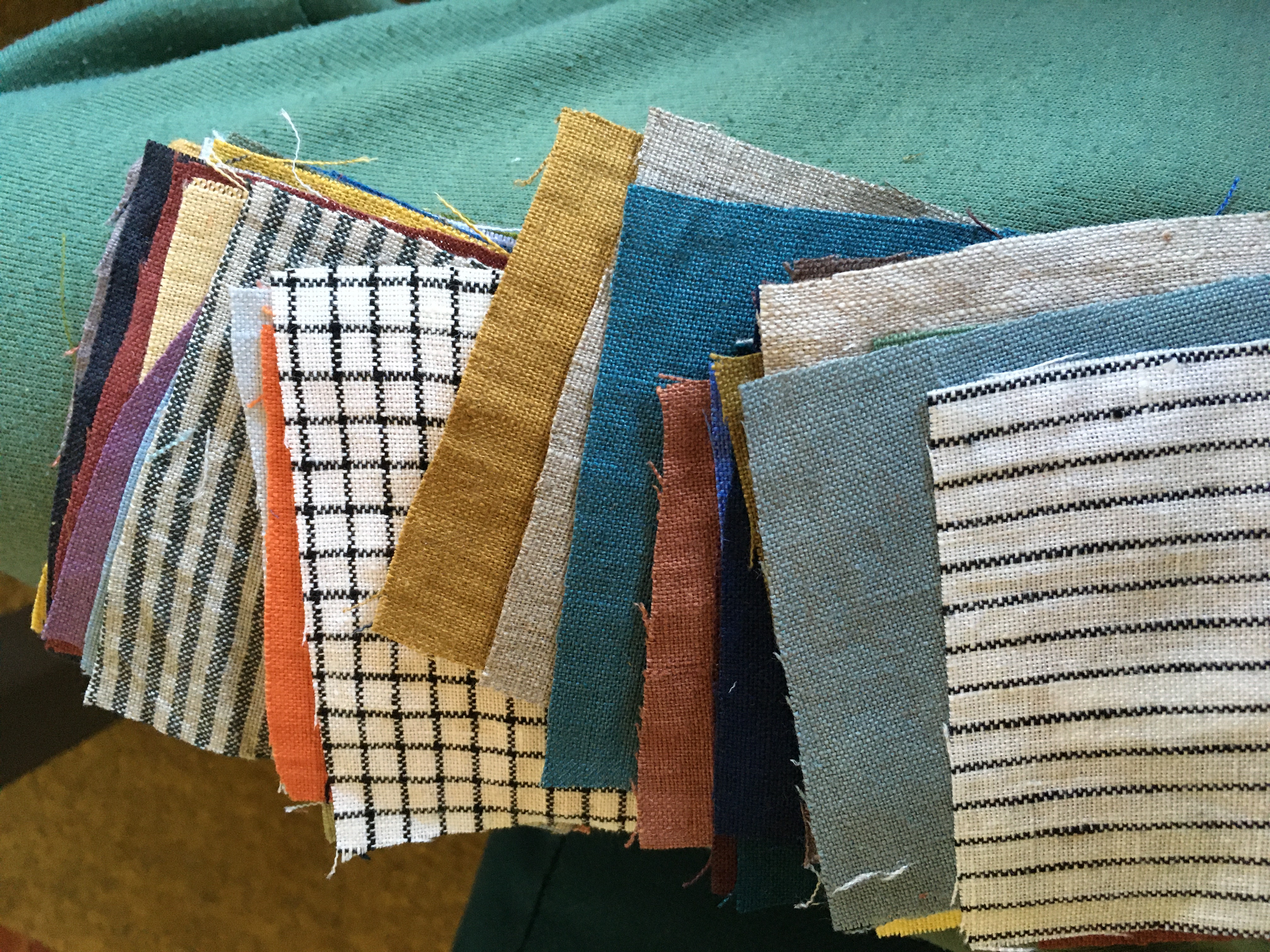
Overview of available materials
Start from the environment and failure modes. Then narrow to a material family and the finish + process that matches real-world use.
Interested in related decision framing? See materials options.
Factors to consider when choosing materials
- Environment (moisture, dust, UV exposure)
- Load & stresses (impact, bending, vibration)
- Temperature behavior (expansion, softness, thermal cycling)
- Surface & finish (texture, coating adhesion, corrosion resistance)
- Lifecycle cost (maintenance, replacement, downtime risk)
- Lead time (supply reliability, processing time)
Comparative analysis of materials
Use the same criteria across candidates and sanity-check the gotchas. When the cost of being wrong is high, validate with a small prototype.
For practical background on how materials are evaluated and why test data matters, MatWeb’s materials database is a general reference. Still, verify specs for your specific supplier and application.
When decisions depend on “how it will behave over time,” look for authoritative testing standards and property definitions. A good starting point is ISO standards (browse by material- or product-related standards once you know the category).
If you’re comparing finishes or coatings, also consider how coatings work—because adhesion, thickness, and surface prep often matter as much as the base material.
FAQs about material choices
How do I choose between metal and plastic?
Choose based on the failure mode you can’t tolerate: impact, heat, corrosion/chemicals, or long-term deformation.
What does “lifecycle cost” really include?
Think beyond purchase price: installation, cleaning/maintenance, replacement frequency, downtime risk, and end-of-life handling. A cheaper material with a shorter replacement cycle often loses.
Conclusion: pick the system, not the label
Pick the material + finish + process combination that survives your conditions—and validate early when the downside is expensive.
If you’re mapping requirements for a new build or renovation, it also helps to review services and the blog for decision checklists.