Exploring Eco-Friendly Options: Sustainable Choices for Your Project
Why sustainability is not a decoration
People love to treat sustainability like garnish: nice for the brochure, optional in the budget, and magically separate from the actual work. That is usually wrong. The materials and methods you choose affect waste, transport, maintenance, indoor air quality, replacement cycles, and the ugly little invoice that shows up later when cheaper choices fail early.
If you are planning a service project, the useful question is not whether it can be called “green.” The useful question is whether the choice reduces harm without creating a different mess somewhere else. The U.S. EPA’s overview of sustainable materials is a decent starting point for that kind of boring honesty: EPA guidance on sustainable materials.
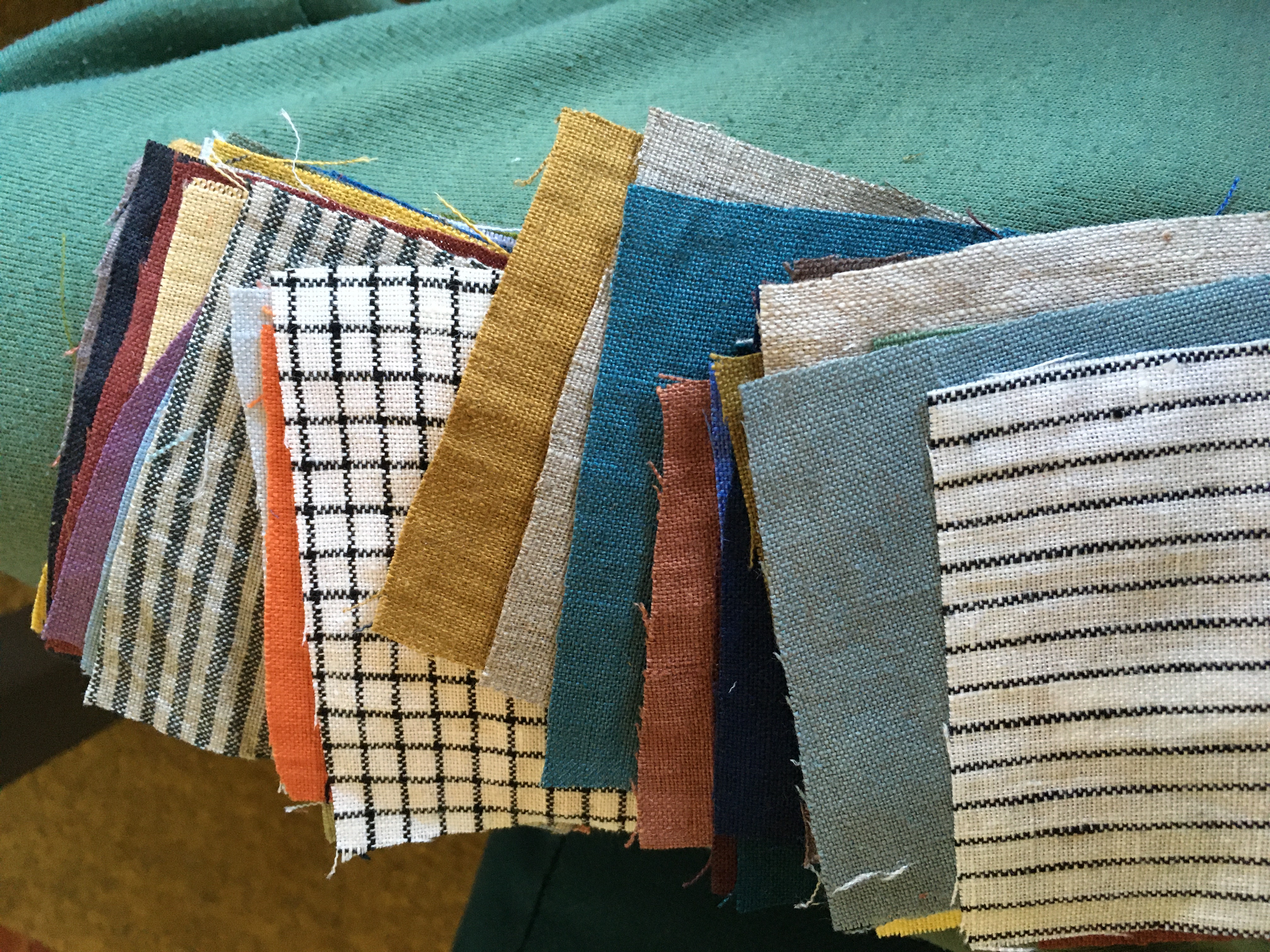
Eco-friendly material options worth considering
There is no universal miracle material. There are tradeoffs, certifications, availability issues, and budget pressure. Start with the category that matches the project, then check provenance and performance.
| Option | Why it helps | What to check |
|---|---|---|
| Reclaimed or salvaged materials | Reduces demand for new extraction and manufacturing | Condition, consistency, lead time, and whether the supplier can document source |
| Rapidly renewable materials | Can reduce pressure on slower-growing resources | Durability, treatment chemicals, and actual renewability claims |
| Low-VOC finishes and adhesives | Helps limit indoor air pollution during and after installation | Product labeling, cure time, and compatibility with the rest of the system |
| High-durability products | Fewer replacements usually means less waste | Warranty terms, maintenance needs, and whether the lifespan claim is real |
For material certification, the Forest Stewardship Council is still one of the better-known references for responsible forest products: FSC certification standards. For low-emission product categories, the GREENGUARD program explains why emissions testing matters more than decorative vocabulary: GREENGUARD certification overview.
How to implement sustainable practices without turning the project into a slogan
Good intentions are cheap. Process is where the bill arrives.
- Define the performance requirement first. If the material cannot do the job, it is not sustainable; it is just a future replacement.
- Ask for source documentation. Recycled content, chain of custody, and origin matter when the claim is supposed to mean something.
- Compare whole-life impact. A lower-cost product that fails twice is not environmentally noble. It is merely optimistic.
- Reduce waste at the source. Measure carefully, order in sane quantities, and reuse offcuts where practical.
- Choose local or regional suppliers when the numbers work. Transport is not the only factor, but it is not imaginary either.
- Plan maintenance. A durable surface with simple upkeep often beats a “green” option that requires constant replacement.
The U.S. Green Building Council’s LEED materials categories give a useful sense of how the industry thinks about material impacts in practice: USGBC LEED overview.
A practical checklist before you approve anything
- Does it meet the functional need?
- Can the supplier document recycled, reclaimed, certified, or low-emission claims?
- Will the product last long enough to justify the purchase?
- Does it create less waste, or just hide it somewhere else?
- Can your team install and maintain it without improvisation?
If you need a reference point for environmental purchasing language, EPA’s green purchasing material is a sensible benchmark: EPA greener products guidance.
Related resources
For more planning context, see materials options, the site’s FAQ, and the main blog index.
FAQ: eco-friendly options
Are eco-friendly materials always more expensive?
No. Some cost more upfront, some do not, and some save money because they last longer or reduce maintenance. The trick is comparing lifecycle cost instead of staring at the first invoice like it contains wisdom.
What is the safest starting point?
Start with low-VOC, durable, and readily documented products. Then move to reclaimed or certified materials where the project allows it.
How do I avoid greenwashing?
Ask for specific documentation. If the claim is vague, unsupported, or impossible to verify, treat it as marketing noise until proven otherwise.
Do sustainable choices require a complete redesign?
Usually not. The boring wins matter: better sourcing, less waste, longer-lasting materials, and smarter maintenance planning.