How to Choose a Kappo Restaurant: A Simple Guide to Counter Dining, Omakase, and Reservations
If you can read a kappo restaurant before you book it, you’ll usually book better. The trick is not memorizing etiquette trivia. It’s learning the operating system of the room: counter seating, chef interaction, course flow, reservation rules, and whether the place is built for conversation or quiet formality.
That matters because kappo, kaiseki, and omakase overlap just enough to confuse people. Michelin’s overview of kappo describes a less formal style centered on closeness between diner and chef, while Osaka’s tourism guidance highlights the open-kitchen feel that makes the counter part of the experience. For a practical example of how restaurants present expectations today, see the reservation and dietary guidance in the Kappo FAQs and the chef-led seasonal framing on Kappo Tsan’s story page.
If you’re deciding whether a restaurant fits a date night, a business meal, or a first-time kappo visit, this guide will help you read the clues quickly. You’ll learn what the terms mean, what to check before reserving, how to read a menu without pretending you were born fluent in Japanese dining formats, and when kappo is the cleaner choice than a more formal tasting menu.
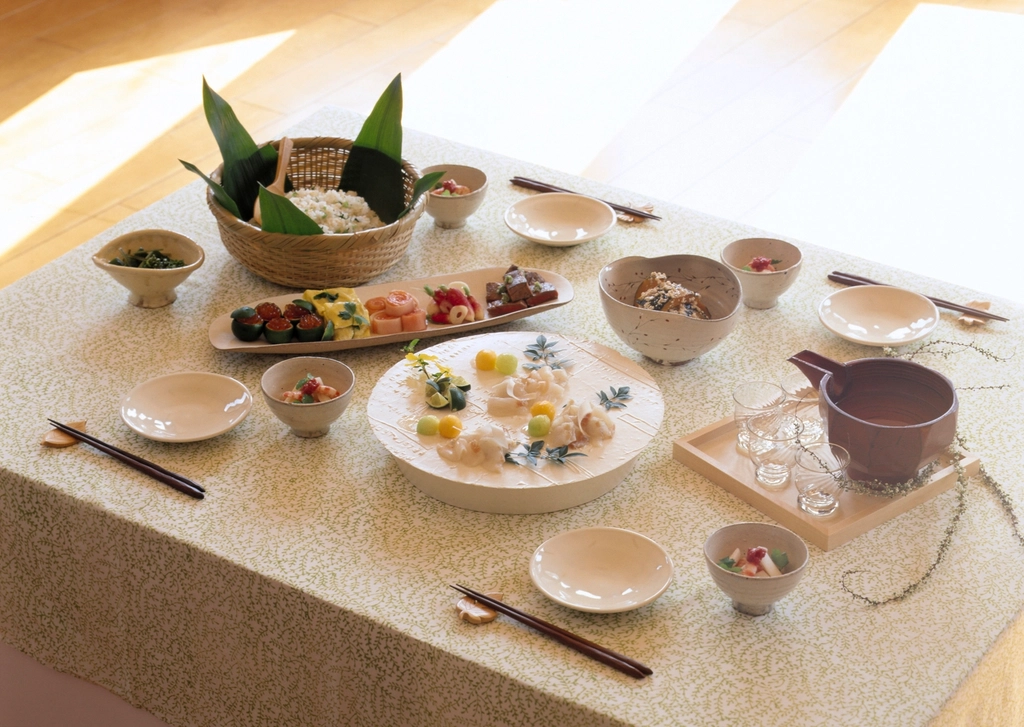
What kappo dining means and why the counter matters
Kappo is often described as a style of Japanese dining built around the counter and the chef’s live preparation. The counter is not decoration; it is the interface. You can see the food being finished, ask questions, and watch the pacing of the meal in real time. That makes kappo feel more immediate than a formal multi-course room service experience, but not casual in the “grab and go” sense. It is structured, just with the structure exposed.
In practice, that means a kappo restaurant may feel warm, conversational, and precise at the same time. The best signal is not how fancy the room looks. It’s whether the room appears designed for interaction: a clean counter, attentive service, visible preparation, and a chef who can adapt the experience as the meal unfolds.
For background reading on the style itself, the Michelin Guide’s kappo overview and Osaka Info’s kappo explainer both emphasize the same core idea: proximity changes the experience.
Kappo vs. kaiseki vs. omakase: the quick differences
People often use these terms as if they were interchangeable. They are not. The overlap is real, but the logic is different.
| Style | Main focus | Typical clue | Good fit for |
|---|---|---|---|
| Kappo | Counter dining, live interaction, seasonal cooking | Open kitchen or chef-facing counter | Guests who want conversation and flexibility |
| Kaiseki | Multi-course refinement, seasonal progression, formal composition | Structured sequence of courses and service | Guests who want ceremony and a composed tasting arc |
| Omakase | Chef’s choice, trust in the progression, often sushi-led | Menu is guided by the chef rather than chosen à la carte | Guests comfortable with surprise and limited decision-making |
The simplest rule: kappo is about how the meal happens, kaiseki is about how the course sequence is composed, and omakase is about who is directing the choices.
If you want a wider cultural frame, Japan National Tourism Organization explains how seasonality shapes Japanese food culture, which is the background logic behind all three styles.
How to tell if a kappo restaurant fits your occasion
Start with the occasion, not the label. A kappo restaurant is usually a strong match when you want the meal to feel interactive, careful, and immediate without becoming stiff. It works especially well for:
- a date where conversation matters but you still want the meal to feel special,
- a small business dinner where attention and pace matter,
- a first visit to Japanese seasonal dining, because the chef can often guide the rhythm,
- and diners who like watching technique instead of treating the kitchen like a black box.
It may be a poor fit if your group wants a loud social table, lots of menu swapping, or a long, highly formal ceremony. That is not a flaw. It is simply a different interface.
What to check before booking: seating, course style, pace, dietary needs, and reservation rules
Before you book, check the details that actually change the experience. The name of the restaurant tells you less than the reservation page does.
1. Seating
Ask whether the room is counter-only, counter plus tables, or private-room focused. Counter seating usually means stronger chef interaction. Table seating may be better for groups or quieter conversation.
2. Course style
Look for clues like set course, chef’s choice, seasonal menu, tasting menu, or à la carte. A kappo place can still offer flexibility, but the degree of flexibility varies widely.
3. Pace
Some restaurants move slowly and deliberately. Others are built for a smoother pace with less downtime between dishes. If your schedule is tight, confirm expected duration before reserving.
4. Dietary notes
This is where many guests learn the hard way that “Japanese cuisine” is not one policy. Real restaurant FAQs often spell out allergen, vegetarian, seafood, shellfish, and substitution rules. Review the restaurant’s own wording carefully, because chefs vary on what they can change safely.
5. Reservation rules
Check whether a deposit is required, whether same-day cancellations are restricted, whether children are welcome, and whether the restaurant expects punctual arrival. These rules are part of the experience, not bureaucratic garnish.
For a practical model of how restaurants communicate those expectations, the Kappo FAQs page is useful because it shows how clearly a good operator can state dining and booking conditions.
How to read a menu or website without getting lost
When you land on a restaurant site, scan for five things in this order:
- What kind of dining is it? Kappo, omakase, kaiseki, or a blend?
- What is the seating model? Counter, tables, private rooms, or mixed?
- What is included? Drink pairings, tea, tax, service charge, or extras?
- What are the limits? Dietary restrictions, arrival windows, party size, minimum age.
- How do I reserve? Online system, phone call, email, or an inquiry form.
If a site hides this information, assume the experience will require more coordination, not less. Good operators make the decision path obvious. That is true whether the dining room is in Osaka, Tokyo, or your own city.
What to expect on arrival and during the meal
Expect a short, orderly handoff. You check in, sit down, and the pace begins from there. In a kappo setting, the chef may greet the table, explain a dish, or adjust the flow to the room. The best move as a guest is simple: arrive on time, watch the rhythm, and do not force the meal into a pace that does not match it.
There is usually no need to perform expertise. Ask a question if the restaurant invites questions. Otherwise, let the counter do its job. The room is already doing a lot of the work for you.

Simple questions to ask before you reserve
Use these questions if the website does not answer everything clearly:
- Is the meal counter seating, table seating, or both?
- Is this kappo, omakase, or a seasonal tasting menu?
- How long should we expect the meal to take?
- Can you accommodate our dietary restrictions safely?
- Are deposits, cancellation windows, or punctual arrival policies in place?
- Is the experience better for two guests, a small group, or a larger table?
If you need a general benchmark for how to ask concise questions without turning the reservation into a novel, the site’s own contact page and reservations page are the kind of internal touchpoints to use first. And if you want to compare with broader dining guidance, the blog index is where related articles belong.
When kappo is the better choice than a formal tasting menu
Kappo is usually the better choice when you want more immediate interaction, more visible technique, and a sense that the meal is being shaped in front of you rather than sealed behind a curtain. It is often the cleaner option for diners who like to understand what they are eating as they eat it.
Choose a more formal tasting menu when the occasion calls for ceremony, a fixed progression, or a more controlled dining environment. Choose kappo when the counter itself is part of the value. That distinction saves a lot of disappointment.
Closing checklist: choose confidently in 5 minutes
Before you book, run this fast checklist:
- Seating: Do you want the counter or a quieter table?
- Format: Kappo, kaiseki, or omakase?
- Pace: Is the meal length compatible with your schedule?
- Dietary fit: Can the kitchen handle your restrictions safely?
- Reservation rules: Do you understand deposits, arrival time, and cancellation terms?
- Occasion: Is this the kind of meal your group actually wants?
If the answer is yes across those six points, you are probably looking at the right restaurant. Kappo is not about chasing status. It is about choosing the dining interface that fits the occasion. Once you read it that way, the decision gets much simpler.
Quick takeaway: choose kappo when you want counter dining, live chef interaction, and a seasonal meal that feels shaped in front of you. Check seating, course style, pace, dietary rules, and reservation policies before you book, and you will avoid most of the usual confusion.