Behind the Scenes: How We Ensure Quality (Without the Jargon)
Good quality is not a mystery. It is a series of small, careful checks that keep the work clear, useful, and finished the way it should be.
If you have ever wondered what happens between “we received your request” and “it is ready to hand off,” this is the part that usually matters most. People want to know three things: will the details be right, will the work fit the request, and will the final result feel complete when they see it. Those are fair questions. They are also the ones we ask ourselves at every stage.
That is why we keep the process simple on purpose. We review the request, compare it with the work in front of us, check for anything that does not line up, and make sure the final result is easy to understand. If you want a more formal reference point, the ISO overview of quality management is a useful starting place, and the plain-language guidance from PlainLanguage.gov is a good reminder that clear words reduce confusion. For quick definitions of the terms quality assurance and quality control, the reference pages are easy to scan.
For a broader benchmark, the NIST Baldrige Performance Excellence Program is a useful reference for steady improvement and consistent review.
In this article, I will walk through what quality means here, the checkpoints we use, how we handle mismatches, how you can help, and what to expect at handoff. Nothing fancy. Just the useful parts.
What Quality Means to Us
When I talk about quality, I do not mean perfection. I mean that the work is easy to understand, fits the need, and looks finished when you receive it. Those three words sound simple, but they do a lot of work.
Here is the short version:
| Term | Plain meaning | What it means here |
|---|---|---|
| Clarity | The work is easy to follow. | Instructions, details, and results are not buried under vague wording. |
| Fit | The work matches the request. | Scope, tone, timing, and details line up with what was asked for. |
| Finish | The work feels complete. | Small errors are caught, loose ends are tied up, and nothing obvious is left dangling. |
| Checkpoint | A pause to look for mistakes. | We stop before moving forward so we can compare, confirm, and correct. |
| Inconsistency | Two things do not match. | A note, file, or final result may say one thing while another part says something different. |
| Handoff | The work is ready to deliver. | You receive the final version, plus any useful notes about what changed and what comes next. |
Those definitions are not there to sound polished. They are there because quality gets easier when everyone uses the same plain words. If one person thinks “quality” means speed, another thinks it means detail, and a third thinks it means a fancy finish, the work can drift. That is how confusion sneaks in wearing a neat suit.
For us, clarity comes first. If the request is unclear, the work becomes harder to check. Fit comes next. If the result does not answer the actual need, no amount of polish will fix that. Finish comes last, but it is still important. The final review is where small errors usually show up: a missing detail, a mismatch in wording, a note that was overlooked, or a section that reads fine until you see it next to the rest of the work.
Typical Checkpoints
Quality is not one big inspection at the end. It is several smaller checks spread through the process. That keeps problems from growing legs.
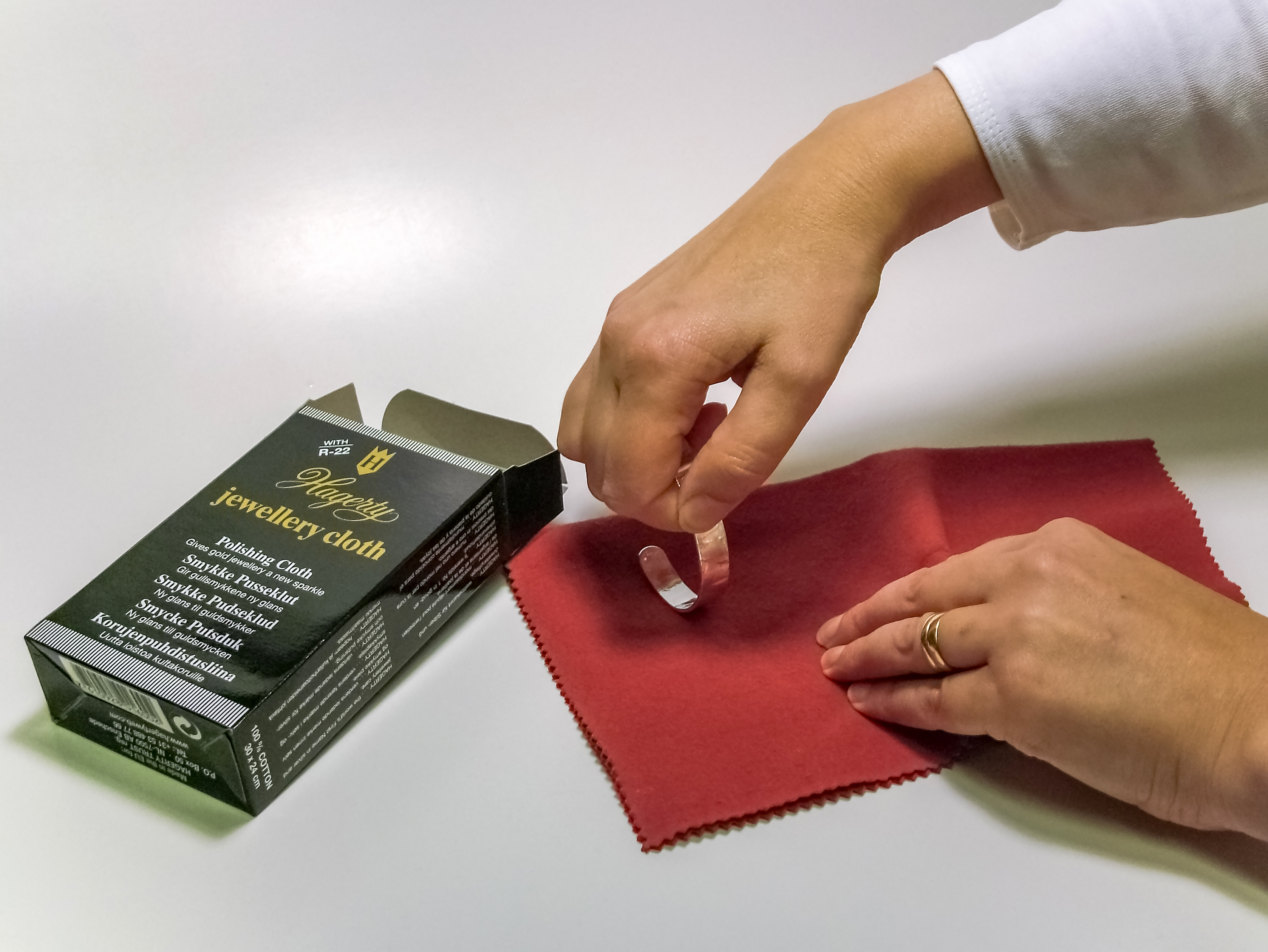
The image above is a good reminder that review is often quiet work. You are looking for the small things that change the overall result: a detail that needs tightening, a surface that needs one more pass, or a line that does not match the rest.
Our typical checkpoints look like this:
| Checkpoint | What we do | Why it helps |
|---|---|---|
| Initial review | We compare the request, notes, and any reference material before moving forward. | This catches missing details early, before time is spent in the wrong direction. |
| Midway check | We pause to see whether the work still matches the original request. | This is where small drift is most likely to show up, and easiest to correct. |
| Final review | We read through the finished work one more time before delivery. | This is the last chance to catch a typo, a mismatch, or a detail that needs a cleaner finish. |
| Client confirmation | When a choice matters, we ask you to confirm the direction before we lock it in. | This helps avoid the awkward moment where a tiny assumption becomes a big change. |
That last checkpoint is important. A good process does not treat customer input as an interruption. It treats customer input as part of the work. If a detail affects the final result, it is better to slow down briefly and get it right than to rush ahead and fix it later. Later usually costs more patience than anyone planned to spend.
There is also a simple reason we keep these steps visible: people trust a process they can understand. The less mysterious the review step is, the easier it is for you to know what is happening and why. That matters when the work is personal, time-sensitive, or just important enough that nobody wants surprises.
How We Handle Inconsistencies
Even careful work can drift. A note can be missed. A detail can change. Two versions of the same instruction can disagree. The goal is not to pretend that never happens. The goal is to notice it early and handle it without drama.
Here is the basic pattern we follow when something does not line up:
- We notice the mismatch instead of guessing past it.
- We compare the request, the latest notes, and the current draft or result.
- We ask whether the mismatch affects the final outcome or only the wording around it.
- If the answer is not clear, we raise the issue and ask for confirmation.
- Once the direction is clear, we correct the inconsistency and recheck the result.
That sounds almost too ordinary to mention, which is usually a sign the process is healthy. Most quality problems do not need theatrics. They need attention.
There is one rule we try to keep in mind: do not smooth over a mismatch just because it is small. Small mismatches have a habit of multiplying if they are left alone. A label that is slightly off, a date that looks close enough, or a detail that feels harmless in isolation can create a larger issue when the rest of the work depends on it. Better to fix the small thing while it is still small.
When a correction changes the work in a meaningful way, we say so plainly. We do not hide the adjustment behind vague language. If something changed, you should know what changed and why. That is part of quality too. Clarity is not only about the output. It is also about the conversation around the output.
To put it another way, quality is not just “Did we finish?” It is also “Did we finish the right thing?” Those are not the same question.
How Customers Can Help
Customers do not need to carry our process, but they can make it easier. A little clarity up front saves a lot of back-and-forth later. That is not about making work feel formal. It is about giving the process enough shape to do its job.
Here are the most helpful things you can do:
- Confirm the basics early. If there is a date, quantity, version, size, or priority that matters, call it out clearly.
- Describe the outcome you want. A short note about what success looks like is often more useful than a long general request.
- Share examples when you can. If there is a style or reference point you like, it gives us something concrete to compare against.
- Respond to questions promptly. A quick answer can keep the work moving and prevent guesswork.
- Flag concerns early. If something looks off, say so before the final handoff. Small corrections are easier than late changes.
The good news is that you do not need to write a perfect brief. You only need to give enough detail for the next person in the process to make a good decision. If that feels hard, start with the basics: what you need, when you need it, and what would count as a good result.
If you are not sure whether something matters, ask. That question is usually more useful than quietly assuming. It also gives us a chance to check the work against the right standard instead of the nearest convenient one.
For readers who want a practical way to prepare, our services page explains the kinds of help we provide, and our contact page is the right place to send specific details or a question before anything is finalized.
What to Expect at Handoff
Handoff is the moment when the work leaves our hands and becomes yours to review, use, or approve. It should feel calm, not rushed. By that point, the goal is not to start from scratch. The goal is to deliver something that already has the important checks behind it.
In a typical handoff, you can expect three things:
- The completed work. This is the version that has passed the last review.
- A short summary of what was confirmed. If there were choices or corrections, we explain them in plain language.
- Any next step that matters. That may be a final review from you, a follow-up question, or a simple note that the work is ready to use.
If you want to review the final result, look at it in the same way we do: does it answer the request, does it fit the need, and does it feel complete? If the answer is yes, the handoff is doing its job. If something still feels uncertain, say so. A good handoff leaves room for one last, sensible correction if needed.
One small but important note: handoff is not the place to hide a surprise. If a change was made, it should be visible. If a detail was adjusted, it should be easy to understand. People do not mind a correction nearly as much as they mind being left in the dark about it.
That is also why we keep the final package simple. No maze of explanations. No buried side notes. Just the useful information, in the order people are most likely to need it.
What Clear Quality Looks Like in Practice
Sometimes the easiest way to understand quality is to see how it behaves in ordinary situations. Here are a few examples:
- A request includes a date and a quantity, and the final result reflects both without guessing.
- A customer asks for a specific tone, and the finished wording sounds like that tone instead of something close but not quite right.
- A detail changes midway through the process, and the final review catches the mismatch before delivery.
- A file or note is checked once for meaning and once for finish, so both the content and the presentation hold up.
These examples are small, but that is the point. Quality is built out of small things that are handled well. A process that catches small mismatches early does not need to shout about its reliability. The work shows it.
If you are trying to judge whether a process is solid, look for this pattern: clear request, early check, honest correction, final review, and clean handoff. You do not need a technical manual to understand that chain. If one link is weak, the rest has to work harder. If the links are strong, the process feels lighter for everyone.
Why Clarity Matters So Much
Clarity deserves its own section because it quietly shapes almost every other part of quality. When the language is clear, the request is easier to check. When the request is easier to check, inconsistencies are easier to spot. When inconsistencies are easier to spot, the handoff is smoother.
That is one reason we pay attention to wording, not just output. Clear language reduces unnecessary back-and-forth. It also helps you know what you are approving. If a phrase can mean two different things, we prefer the one that means only one thing.
The plain-language guidance from PlainLanguage.gov makes the same point from another angle: if the reader has to decode the message before they can use it, the message is doing too much work in the wrong place. We agree with that. A good process should not require a secret handshake.
This is also why we avoid jargon when a plain word will do. A lot of jargon exists because it saves time for the writer and spends time for the reader. That is a bad trade. Plain words are usually the better deal.
How We Keep the Process Human
Quality can sound formal if you make it sound formal. We try not to do that. The process is serious, but it should still feel human.
That means we keep the language straightforward. It means we answer questions without making you chase the answer through three different places. It means we take corrections seriously without making them feel awkward. And it means we try to make each next step obvious, because people do their best work when they know where they stand.
There is a practical side to that, too. A calm process is easier to maintain. When the review step is clear, nobody has to improvise on the fly. When the final check is simple, it is more likely to happen. When the handoff is easy to understand, there is less room for confusion afterward. That is not just nicer. It is more reliable.
If you want the broader context behind that approach, our about page explains the people and the mission in plain language.
If you have been in processes that felt noisy or vague, this may sound almost too gentle. The trick is that simplicity is not softness. Simplicity is discipline. It takes effort to make a process easy to follow.
FAQ: Can You Review Before Delivery?
Yes. Review before delivery is part of the process, not an exception to it. We do a final check before handoff so we can catch obvious issues, confirm the details, and make sure the work is ready for your eyes before it reaches you.
If you are asking whether you can see the work before it is final, the answer is also yes when the stage of the work calls for your input. In plain terms: if a choice affects the result, we try to confirm it before we lock it in. That is the safest time to review something, because changes are still easy to make.
Here is the simple version of how that usually works:
- We prepare the work and check it against the request.
- We pause if something needs confirmation.
- You review the part that needs your input.
- We make any agreed changes.
- We complete the final pass before handoff.
What we do not want is a last-minute surprise that could have been handled earlier. Early review keeps the process calm and keeps the final result cleaner. It is a little like checking the map before you leave the driveway. It takes less time than a detour, and it saves a lot of sighing.
If you have a question about timing, wording, or what needs your approval, the easiest next step is to send it through the contact page. If you want broader context first, the blog has more plain-language guides on how our process works.
Key Takeaways
- Quality means clarity, fit, and finish, not unnecessary complexity.
- We use several checkpoints, not one big inspection at the end.
- When something does not match, we stop and correct it instead of guessing.
- Customers help most by giving clear details, quick answers, and early feedback.
- At handoff, you should receive a clean result, a plain summary, and a clear next step.
In the end, quality is about reducing avoidable confusion. The better the process is explained, the easier it is to trust. The better the work is checked, the easier it is to hand over with confidence. That is the whole idea, and it is usually enough.
If you want to see how that approach applies to a specific request, start with our services page or send the details through the contact page. If you want more practical notes like this one, the blog is the best place to keep reading.