How to Dine at a Kappo Restaurant: Etiquette, Reservations, and What to Expect in 2026
A short prep list:
- Confirm the reservation time and the number of guests.
- Read the menu format, if posted, so you know whether it is à la carte or course-based.
- Bring a calm appetite and a willingness to ask brief questions.
- Dress neatly and comfortably; you do not need formalwear unless the restaurant says so.
- Arrive a few minutes early so you are not sprinting into the meal like a late train announcement.
If you are browsing the site before booking, the menu, reservations, and contact pages are the best places to start. If you just want the broad overview first, the About page can help you understand the restaurant’s approach before you choose a date.
When to Contact the Restaurant Directly Before Booking
There are a few moments when a quick message or phone call is the smartest move. If your group has dietary restrictions, if you are unsure about seating, if you are planning a special occasion, or if the reservation page leaves a question dangling in midair, contact the restaurant directly before you book.
Contact the restaurant if you need to clarify:
- ingredient restrictions or allergies,
- arrival timing or late arrival policy,
- group size or split seating,
- menu style or course length,
- anything unusual about the occasion, such as a birthday or business dinner.
That small bit of communication is usually enough to smooth out the whole experience. And if you’re unsure how to phrase it, write it plainly. Restaurants generally prefer a clear question over a poetic mystery.
Quick Takeaways for a Smooth Kappo Visit
- Kappo is interactive: the counter and the chef-diner connection are part of the appeal.
- Reservations work best with details: time, party size, and dietary notes help the restaurant plan well.
- Etiquette is practical, not theatrical: be polite, attentive, and easy to seat.
- Conversation is welcome: brief questions and appreciation go a long way.
- When in doubt, ask early: direct communication prevents almost all menu-day surprises.
Once you understand the rhythm, kappo dining stops feeling like a puzzle and starts feeling like a thoughtful conversation with dinner attached. That is the whole magic trick: less chaos, more flavor, and a front-row seat to the chef doing the good work.
Here is a typical service flow in plain English:
- Welcome and seating: staff confirm your reservation and guide you in.
- Opening courses: lighter dishes set the tone and pace.
- Chef interaction: the chef may explain ingredients or answer short questions.
- Main progression: richer or more involved dishes arrive as the meal builds.
- Closing courses: rice, soup, or dessert often bring the meal to a gentle finish.
If you want to compare this with broader Japanese dining structure, the official JNTO food etiquette guide and Michelin’s kappo explainer are both useful references. They reinforce the same idea: the meal is meant to feel attentive, seasonal, and human, not rushed or mysterious.
Helpful expectation: not every course will be announced with a full speech. Sometimes the best service is quiet confidence and a plate that arrives exactly when it should.
How to Prepare for a First Kappo Visit
For a first visit, preparation is mostly about removing friction before it starts. Check the restaurant website, review the reservation policy, and note whether there is a dress code, time limit, or menu format. This takes about five minutes and prevents the sort of confusion that likes to show up dressed as “I thought that was included.”
A short prep list:
- Confirm the reservation time and the number of guests.
- Read the menu format, if posted, so you know whether it is à la carte or course-based.
- Bring a calm appetite and a willingness to ask brief questions.
- Dress neatly and comfortably; you do not need formalwear unless the restaurant says so.
- Arrive a few minutes early so you are not sprinting into the meal like a late train announcement.
If you are browsing the site before booking, the menu, reservations, and contact pages are the best places to start. If you just want the broad overview first, the About page can help you understand the restaurant’s approach before you choose a date.
When to Contact the Restaurant Directly Before Booking
There are a few moments when a quick message or phone call is the smartest move. If your group has dietary restrictions, if you are unsure about seating, if you are planning a special occasion, or if the reservation page leaves a question dangling in midair, contact the restaurant directly before you book.
Contact the restaurant if you need to clarify:
- ingredient restrictions or allergies,
- arrival timing or late arrival policy,
- group size or split seating,
- menu style or course length,
- anything unusual about the occasion, such as a birthday or business dinner.
That small bit of communication is usually enough to smooth out the whole experience. And if you’re unsure how to phrase it, write it plainly. Restaurants generally prefer a clear question over a poetic mystery.
Quick Takeaways for a Smooth Kappo Visit
- Kappo is interactive: the counter and the chef-diner connection are part of the appeal.
- Reservations work best with details: time, party size, and dietary notes help the restaurant plan well.
- Etiquette is practical, not theatrical: be polite, attentive, and easy to seat.
- Conversation is welcome: brief questions and appreciation go a long way.
- When in doubt, ask early: direct communication prevents almost all menu-day surprises.
Once you understand the rhythm, kappo dining stops feeling like a puzzle and starts feeling like a thoughtful conversation with dinner attached. That is the whole magic trick: less chaos, more flavor, and a front-row seat to the chef doing the good work.
For a practical reservation check, use this simple table:
| What to confirm | Why it matters | What to say |
|---|---|---|
| Date and time | Ingredients and staff are often planned around the reservation | “We’d like to book for Friday at 7:00 p.m.” |
| Party size | Counter seating is limited and seating layout may be fixed | “It will be 2 guests.” |
| Dietary needs | Chefs may need advance notice to adjust the menu | “One guest avoids shellfish.” |
| Arrival timing | Late arrivals can affect the course flow for everyone | “We’ll arrive on time and call if anything changes.” |
Direct restaurant guidance often matches this approach. For example, the reservation notes on Kappo reservations emphasize punctuality and clear communication around dietary preferences. The details vary by restaurant, but the theme is consistent: fewer surprises, smoother dinner.
Best practice: if you have a serious allergy or a strong dietary limitation, contact the restaurant before booking rather than hoping the menu will magically cooperate.
Arrival Etiquette: Greetings, Seating, Phone Use, and Pacing
Arrival is simple if you keep the vibe calm and respectful. Greet the staff politely, wait to be seated, and follow the restaurant’s lead on where to put coats, bags, or shoes if the space has a specific setup. You do not need to perform a perfect script; just act like a person who understands that other people are also having an evening.
Phone use is the usual modern nuisance, so here is the tiny-but-useful version: keep your phone on silent, avoid taking calls at the counter, and try not to turn the meal into a scrolling competition with your own attention span. Photos are often fine when the restaurant allows them, but it is polite to check first.
On pacing, trust the room. Kappo meals often move at a deliberate rhythm, and there is no prize for eating faster than the chef can finish the next course. If you need a short pause, that is usually fine. If you need a longer break, let the staff know so they can help keep the meal flowing smoothly.
Dining Etiquette: Chopsticks, Conversation, Tipping, and Finishing the Meal
Japanese dining etiquette does not require perfection, but it does reward a little care. The JNTO’s dining guidance covers the basics well: handle chopsticks cleanly, avoid passing food from chopsticks to chopsticks, and use the provided tools rather than improvising like a chaotic game show contestant.
Conversation with the chef is usually welcome, especially at the counter. A good rule is to keep it warm and curious rather than turning the chef into a trivia machine. Ask about an ingredient, the cooking method, or the seasonality of the dish if you’re interested. You’re there to engage, not to audition for the role of restaurant auditor.
As for tipping, there is no broad tipping expectation in Japan in the way many U.S. diners might assume. Instead, gratitude is expressed through polite behavior, thanks at the end of the meal, and respect for the service you received. If a restaurant has a specific policy, follow that policy rather than inventing one from vibes.
When you finish, it is normal to say thank you to the chef and staff. A simple phrase like “gochisousama deshita” is a respectful way to show appreciation for the meal.
What to Expect from the Menu and Service Flow
Menu structure at a kappo restaurant can vary, but many visits follow a course-based flow that feels planned yet flexible. You may see appetizers, grilled items, simmered dishes, sashimi, rice, and dessert, though the exact sequence depends on the chef and the season.
Here is a typical service flow in plain English:
- Welcome and seating: staff confirm your reservation and guide you in.
- Opening courses: lighter dishes set the tone and pace.
- Chef interaction: the chef may explain ingredients or answer short questions.
- Main progression: richer or more involved dishes arrive as the meal builds.
- Closing courses: rice, soup, or dessert often bring the meal to a gentle finish.
If you want to compare this with broader Japanese dining structure, the official JNTO food etiquette guide and Michelin’s kappo explainer are both useful references. They reinforce the same idea: the meal is meant to feel attentive, seasonal, and human, not rushed or mysterious.
Helpful expectation: not every course will be announced with a full speech. Sometimes the best service is quiet confidence and a plate that arrives exactly when it should.
How to Prepare for a First Kappo Visit
For a first visit, preparation is mostly about removing friction before it starts. Check the restaurant website, review the reservation policy, and note whether there is a dress code, time limit, or menu format. This takes about five minutes and prevents the sort of confusion that likes to show up dressed as “I thought that was included.”
A short prep list:
- Confirm the reservation time and the number of guests.
- Read the menu format, if posted, so you know whether it is à la carte or course-based.
- Bring a calm appetite and a willingness to ask brief questions.
- Dress neatly and comfortably; you do not need formalwear unless the restaurant says so.
- Arrive a few minutes early so you are not sprinting into the meal like a late train announcement.
If you are browsing the site before booking, the menu, reservations, and contact pages are the best places to start. If you just want the broad overview first, the About page can help you understand the restaurant’s approach before you choose a date.
When to Contact the Restaurant Directly Before Booking
There are a few moments when a quick message or phone call is the smartest move. If your group has dietary restrictions, if you are unsure about seating, if you are planning a special occasion, or if the reservation page leaves a question dangling in midair, contact the restaurant directly before you book.
Contact the restaurant if you need to clarify:
- ingredient restrictions or allergies,
- arrival timing or late arrival policy,
- group size or split seating,
- menu style or course length,
- anything unusual about the occasion, such as a birthday or business dinner.
That small bit of communication is usually enough to smooth out the whole experience. And if you’re unsure how to phrase it, write it plainly. Restaurants generally prefer a clear question over a poetic mystery.
Quick Takeaways for a Smooth Kappo Visit
- Kappo is interactive: the counter and the chef-diner connection are part of the appeal.
- Reservations work best with details: time, party size, and dietary notes help the restaurant plan well.
- Etiquette is practical, not theatrical: be polite, attentive, and easy to seat.
- Conversation is welcome: brief questions and appreciation go a long way.
- When in doubt, ask early: direct communication prevents almost all menu-day surprises.
Once you understand the rhythm, kappo dining stops feeling like a puzzle and starts feeling like a thoughtful conversation with dinner attached. That is the whole magic trick: less chaos, more flavor, and a front-row seat to the chef doing the good work.
That visibility changes the meal in a few useful ways:
- You can watch dishes being finished at the exact moment they’re ready.
- You can ask about ingredients or preparation without interrupting a whole room.
- You can better understand the rhythm of the meal, which makes pacing feel less mysterious.
Think of it as the difference between hearing a song from the hallway and sitting close enough to notice the drummer missing one beat on purpose. The detail is the point.
Reservation Basics: Timing, Punctuality, Party Size, and Dietary Notes
Reservations are where a lot of unnecessary anxiety lives, so let’s evict it. Many kappo-style restaurants appreciate advance notice because they plan menus, ingredients, and seating around the number of guests and any dietary restrictions. If the restaurant asks for a deposit, a preferred time slot, or a specific party size, that is not drama; it is logistics wearing a nice jacket.
For a practical reservation check, use this simple table:
| What to confirm | Why it matters | What to say |
|---|---|---|
| Date and time | Ingredients and staff are often planned around the reservation | “We’d like to book for Friday at 7:00 p.m.” |
| Party size | Counter seating is limited and seating layout may be fixed | “It will be 2 guests.” |
| Dietary needs | Chefs may need advance notice to adjust the menu | “One guest avoids shellfish.” |
| Arrival timing | Late arrivals can affect the course flow for everyone | “We’ll arrive on time and call if anything changes.” |
Direct restaurant guidance often matches this approach. For example, the reservation notes on Kappo reservations emphasize punctuality and clear communication around dietary preferences. The details vary by restaurant, but the theme is consistent: fewer surprises, smoother dinner.
Best practice: if you have a serious allergy or a strong dietary limitation, contact the restaurant before booking rather than hoping the menu will magically cooperate.
Arrival Etiquette: Greetings, Seating, Phone Use, and Pacing
Arrival is simple if you keep the vibe calm and respectful. Greet the staff politely, wait to be seated, and follow the restaurant’s lead on where to put coats, bags, or shoes if the space has a specific setup. You do not need to perform a perfect script; just act like a person who understands that other people are also having an evening.
Phone use is the usual modern nuisance, so here is the tiny-but-useful version: keep your phone on silent, avoid taking calls at the counter, and try not to turn the meal into a scrolling competition with your own attention span. Photos are often fine when the restaurant allows them, but it is polite to check first.
On pacing, trust the room. Kappo meals often move at a deliberate rhythm, and there is no prize for eating faster than the chef can finish the next course. If you need a short pause, that is usually fine. If you need a longer break, let the staff know so they can help keep the meal flowing smoothly.
Dining Etiquette: Chopsticks, Conversation, Tipping, and Finishing the Meal
Japanese dining etiquette does not require perfection, but it does reward a little care. The JNTO’s dining guidance covers the basics well: handle chopsticks cleanly, avoid passing food from chopsticks to chopsticks, and use the provided tools rather than improvising like a chaotic game show contestant.
Conversation with the chef is usually welcome, especially at the counter. A good rule is to keep it warm and curious rather than turning the chef into a trivia machine. Ask about an ingredient, the cooking method, or the seasonality of the dish if you’re interested. You’re there to engage, not to audition for the role of restaurant auditor.
As for tipping, there is no broad tipping expectation in Japan in the way many U.S. diners might assume. Instead, gratitude is expressed through polite behavior, thanks at the end of the meal, and respect for the service you received. If a restaurant has a specific policy, follow that policy rather than inventing one from vibes.
When you finish, it is normal to say thank you to the chef and staff. A simple phrase like “gochisousama deshita” is a respectful way to show appreciation for the meal.
What to Expect from the Menu and Service Flow
Menu structure at a kappo restaurant can vary, but many visits follow a course-based flow that feels planned yet flexible. You may see appetizers, grilled items, simmered dishes, sashimi, rice, and dessert, though the exact sequence depends on the chef and the season.
Here is a typical service flow in plain English:
- Welcome and seating: staff confirm your reservation and guide you in.
- Opening courses: lighter dishes set the tone and pace.
- Chef interaction: the chef may explain ingredients or answer short questions.
- Main progression: richer or more involved dishes arrive as the meal builds.
- Closing courses: rice, soup, or dessert often bring the meal to a gentle finish.
If you want to compare this with broader Japanese dining structure, the official JNTO food etiquette guide and Michelin’s kappo explainer are both useful references. They reinforce the same idea: the meal is meant to feel attentive, seasonal, and human, not rushed or mysterious.
Helpful expectation: not every course will be announced with a full speech. Sometimes the best service is quiet confidence and a plate that arrives exactly when it should.
How to Prepare for a First Kappo Visit
For a first visit, preparation is mostly about removing friction before it starts. Check the restaurant website, review the reservation policy, and note whether there is a dress code, time limit, or menu format. This takes about five minutes and prevents the sort of confusion that likes to show up dressed as “I thought that was included.”
A short prep list:
- Confirm the reservation time and the number of guests.
- Read the menu format, if posted, so you know whether it is à la carte or course-based.
- Bring a calm appetite and a willingness to ask brief questions.
- Dress neatly and comfortably; you do not need formalwear unless the restaurant says so.
- Arrive a few minutes early so you are not sprinting into the meal like a late train announcement.
If you are browsing the site before booking, the menu, reservations, and contact pages are the best places to start. If you just want the broad overview first, the About page can help you understand the restaurant’s approach before you choose a date.
When to Contact the Restaurant Directly Before Booking
There are a few moments when a quick message or phone call is the smartest move. If your group has dietary restrictions, if you are unsure about seating, if you are planning a special occasion, or if the reservation page leaves a question dangling in midair, contact the restaurant directly before you book.
Contact the restaurant if you need to clarify:
- ingredient restrictions or allergies,
- arrival timing or late arrival policy,
- group size or split seating,
- menu style or course length,
- anything unusual about the occasion, such as a birthday or business dinner.
That small bit of communication is usually enough to smooth out the whole experience. And if you’re unsure how to phrase it, write it plainly. Restaurants generally prefer a clear question over a poetic mystery.
Quick Takeaways for a Smooth Kappo Visit
- Kappo is interactive: the counter and the chef-diner connection are part of the appeal.
- Reservations work best with details: time, party size, and dietary notes help the restaurant plan well.
- Etiquette is practical, not theatrical: be polite, attentive, and easy to seat.
- Conversation is welcome: brief questions and appreciation go a long way.
- When in doubt, ask early: direct communication prevents almost all menu-day surprises.
Once you understand the rhythm, kappo dining stops feeling like a puzzle and starts feeling like a thoughtful conversation with dinner attached. That is the whole magic trick: less chaos, more flavor, and a front-row seat to the chef doing the good work.
Here’s the simplest way to separate the usual suspects:
- Kappo: chef and guest interact directly, usually at the counter, with dishes prepared and served in a flexible flow.
- Sushi: often focused on nigiri, rice, fish, and a more specific sushi-centered progression.
- Kaiseki: a more formal multi-course style built around seasonality, balance, and presentation.
- Omakase: a dining style where you trust the chef to choose the sequence; it can happen inside sushi or kappo settings.
If you want a deeper background on the terms, the Michelin Guide’s kappo overview is a helpful primer, and the Wikipedia entry on kappo can be a quick reference point for the broad definition. The important thing for diners is not memorizing labels like a quiz show contestant; it’s understanding that kappo usually invites a more direct, conversational meal.
Why Counter Seating Is Central to the Kappo Experience
The counter is the stage, the workbench, and the social glue all at once. Sitting there lets you see ingredients, plating, timing, and little finishing touches that would disappear from a standard table setup. It also makes the chef-diner interaction feel natural instead of staged, which is a big part of the charm.
That visibility changes the meal in a few useful ways:
- You can watch dishes being finished at the exact moment they’re ready.
- You can ask about ingredients or preparation without interrupting a whole room.
- You can better understand the rhythm of the meal, which makes pacing feel less mysterious.
Think of it as the difference between hearing a song from the hallway and sitting close enough to notice the drummer missing one beat on purpose. The detail is the point.
Reservation Basics: Timing, Punctuality, Party Size, and Dietary Notes
Reservations are where a lot of unnecessary anxiety lives, so let’s evict it. Many kappo-style restaurants appreciate advance notice because they plan menus, ingredients, and seating around the number of guests and any dietary restrictions. If the restaurant asks for a deposit, a preferred time slot, or a specific party size, that is not drama; it is logistics wearing a nice jacket.
For a practical reservation check, use this simple table:
| What to confirm | Why it matters | What to say |
|---|---|---|
| Date and time | Ingredients and staff are often planned around the reservation | “We’d like to book for Friday at 7:00 p.m.” |
| Party size | Counter seating is limited and seating layout may be fixed | “It will be 2 guests.” |
| Dietary needs | Chefs may need advance notice to adjust the menu | “One guest avoids shellfish.” |
| Arrival timing | Late arrivals can affect the course flow for everyone | “We’ll arrive on time and call if anything changes.” |
Direct restaurant guidance often matches this approach. For example, the reservation notes on Kappo reservations emphasize punctuality and clear communication around dietary preferences. The details vary by restaurant, but the theme is consistent: fewer surprises, smoother dinner.
Best practice: if you have a serious allergy or a strong dietary limitation, contact the restaurant before booking rather than hoping the menu will magically cooperate.
Arrival Etiquette: Greetings, Seating, Phone Use, and Pacing
Arrival is simple if you keep the vibe calm and respectful. Greet the staff politely, wait to be seated, and follow the restaurant’s lead on where to put coats, bags, or shoes if the space has a specific setup. You do not need to perform a perfect script; just act like a person who understands that other people are also having an evening.
Phone use is the usual modern nuisance, so here is the tiny-but-useful version: keep your phone on silent, avoid taking calls at the counter, and try not to turn the meal into a scrolling competition with your own attention span. Photos are often fine when the restaurant allows them, but it is polite to check first.
On pacing, trust the room. Kappo meals often move at a deliberate rhythm, and there is no prize for eating faster than the chef can finish the next course. If you need a short pause, that is usually fine. If you need a longer break, let the staff know so they can help keep the meal flowing smoothly.
Dining Etiquette: Chopsticks, Conversation, Tipping, and Finishing the Meal
Japanese dining etiquette does not require perfection, but it does reward a little care. The JNTO’s dining guidance covers the basics well: handle chopsticks cleanly, avoid passing food from chopsticks to chopsticks, and use the provided tools rather than improvising like a chaotic game show contestant.
Conversation with the chef is usually welcome, especially at the counter. A good rule is to keep it warm and curious rather than turning the chef into a trivia machine. Ask about an ingredient, the cooking method, or the seasonality of the dish if you’re interested. You’re there to engage, not to audition for the role of restaurant auditor.
As for tipping, there is no broad tipping expectation in Japan in the way many U.S. diners might assume. Instead, gratitude is expressed through polite behavior, thanks at the end of the meal, and respect for the service you received. If a restaurant has a specific policy, follow that policy rather than inventing one from vibes.
When you finish, it is normal to say thank you to the chef and staff. A simple phrase like “gochisousama deshita” is a respectful way to show appreciation for the meal.
What to Expect from the Menu and Service Flow
Menu structure at a kappo restaurant can vary, but many visits follow a course-based flow that feels planned yet flexible. You may see appetizers, grilled items, simmered dishes, sashimi, rice, and dessert, though the exact sequence depends on the chef and the season.
Here is a typical service flow in plain English:
- Welcome and seating: staff confirm your reservation and guide you in.
- Opening courses: lighter dishes set the tone and pace.
- Chef interaction: the chef may explain ingredients or answer short questions.
- Main progression: richer or more involved dishes arrive as the meal builds.
- Closing courses: rice, soup, or dessert often bring the meal to a gentle finish.
If you want to compare this with broader Japanese dining structure, the official JNTO food etiquette guide and Michelin’s kappo explainer are both useful references. They reinforce the same idea: the meal is meant to feel attentive, seasonal, and human, not rushed or mysterious.
Helpful expectation: not every course will be announced with a full speech. Sometimes the best service is quiet confidence and a plate that arrives exactly when it should.
How to Prepare for a First Kappo Visit
For a first visit, preparation is mostly about removing friction before it starts. Check the restaurant website, review the reservation policy, and note whether there is a dress code, time limit, or menu format. This takes about five minutes and prevents the sort of confusion that likes to show up dressed as “I thought that was included.”
A short prep list:
- Confirm the reservation time and the number of guests.
- Read the menu format, if posted, so you know whether it is à la carte or course-based.
- Bring a calm appetite and a willingness to ask brief questions.
- Dress neatly and comfortably; you do not need formalwear unless the restaurant says so.
- Arrive a few minutes early so you are not sprinting into the meal like a late train announcement.
If you are browsing the site before booking, the menu, reservations, and contact pages are the best places to start. If you just want the broad overview first, the About page can help you understand the restaurant’s approach before you choose a date.
When to Contact the Restaurant Directly Before Booking
There are a few moments when a quick message or phone call is the smartest move. If your group has dietary restrictions, if you are unsure about seating, if you are planning a special occasion, or if the reservation page leaves a question dangling in midair, contact the restaurant directly before you book.
Contact the restaurant if you need to clarify:
- ingredient restrictions or allergies,
- arrival timing or late arrival policy,
- group size or split seating,
- menu style or course length,
- anything unusual about the occasion, such as a birthday or business dinner.
That small bit of communication is usually enough to smooth out the whole experience. And if you’re unsure how to phrase it, write it plainly. Restaurants generally prefer a clear question over a poetic mystery.
Quick Takeaways for a Smooth Kappo Visit
- Kappo is interactive: the counter and the chef-diner connection are part of the appeal.
- Reservations work best with details: time, party size, and dietary notes help the restaurant plan well.
- Etiquette is practical, not theatrical: be polite, attentive, and easy to seat.
- Conversation is welcome: brief questions and appreciation go a long way.
- When in doubt, ask early: direct communication prevents almost all menu-day surprises.
Once you understand the rhythm, kappo dining stops feeling like a puzzle and starts feeling like a thoughtful conversation with dinner attached. That is the whole magic trick: less chaos, more flavor, and a front-row seat to the chef doing the good work.
If you’ve ever stared at a kappo reservation like it was a tiny riddle wrapped in a tasting menu, this guide is for you. Kappo dining is warm, interactive, and wonderfully human—but the first visit can still feel a little mysterious.
What exactly is kappo? How is it different from sushi, kaiseki, or omakase? Do you need to dress like a magazine editor on a very efficient mission? Should you talk to the chef, or will that count as a social faux pas? Those are all normal questions, not a sign that you’ve offended the dining gods.
Official guidance from the Japan National Tourism Organization on Japanese food etiquette and its current etiquette FAQ, plus Michelin’s explanation of what kappo cuisine is, all point in the same direction: good manners matter, but kappo is built for conversation, observation, and a relaxed kind of attentiveness. In other words, you do not need to arrive with a rulebook thicker than the menu.
By the end, you’ll know how kappo differs from other Japanese dining styles, how to book with confidence, what to do when you arrive, what to expect from service, and when it makes sense to call the restaurant directly before you reserve.
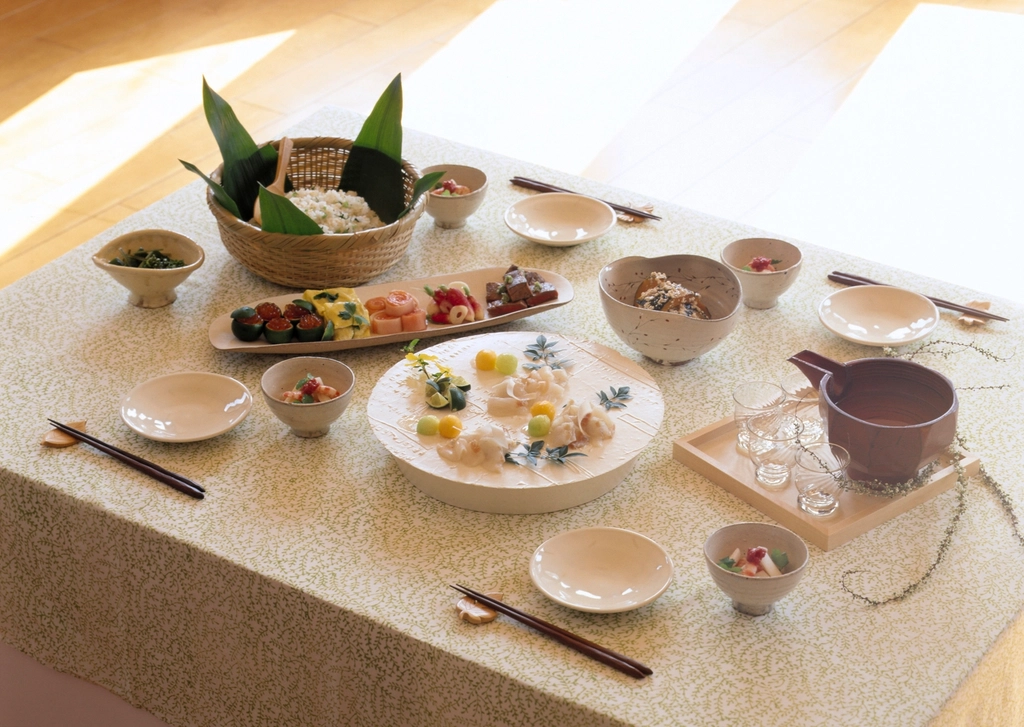
What Kappo Means, and How It Differs from Sushi, Kaiseki, and Omakase
Kappo is a style of Japanese dining centered on the chef preparing dishes in front of guests, often at a counter. The whole vibe is less “sealed-off ceremony” and more “front-row seat to a very skilled kitchen conversation.” You can think of it as a restaurant format where the chef can adjust the pacing, ingredients, and flow to the moment.
Here’s the simplest way to separate the usual suspects:
- Kappo: chef and guest interact directly, usually at the counter, with dishes prepared and served in a flexible flow.
- Sushi: often focused on nigiri, rice, fish, and a more specific sushi-centered progression.
- Kaiseki: a more formal multi-course style built around seasonality, balance, and presentation.
- Omakase: a dining style where you trust the chef to choose the sequence; it can happen inside sushi or kappo settings.
If you want a deeper background on the terms, the Michelin Guide’s kappo overview is a helpful primer, and the Wikipedia entry on kappo can be a quick reference point for the broad definition. The important thing for diners is not memorizing labels like a quiz show contestant; it’s understanding that kappo usually invites a more direct, conversational meal.
Why Counter Seating Is Central to the Kappo Experience
The counter is the stage, the workbench, and the social glue all at once. Sitting there lets you see ingredients, plating, timing, and little finishing touches that would disappear from a standard table setup. It also makes the chef-diner interaction feel natural instead of staged, which is a big part of the charm.
That visibility changes the meal in a few useful ways:
- You can watch dishes being finished at the exact moment they’re ready.
- You can ask about ingredients or preparation without interrupting a whole room.
- You can better understand the rhythm of the meal, which makes pacing feel less mysterious.
Think of it as the difference between hearing a song from the hallway and sitting close enough to notice the drummer missing one beat on purpose. The detail is the point.
Reservation Basics: Timing, Punctuality, Party Size, and Dietary Notes
Reservations are where a lot of unnecessary anxiety lives, so let’s evict it. Many kappo-style restaurants appreciate advance notice because they plan menus, ingredients, and seating around the number of guests and any dietary restrictions. If the restaurant asks for a deposit, a preferred time slot, or a specific party size, that is not drama; it is logistics wearing a nice jacket.
For a practical reservation check, use this simple table:
| What to confirm | Why it matters | What to say |
|---|---|---|
| Date and time | Ingredients and staff are often planned around the reservation | “We’d like to book for Friday at 7:00 p.m.” |
| Party size | Counter seating is limited and seating layout may be fixed | “It will be 2 guests.” |
| Dietary needs | Chefs may need advance notice to adjust the menu | “One guest avoids shellfish.” |
| Arrival timing | Late arrivals can affect the course flow for everyone | “We’ll arrive on time and call if anything changes.” |
Direct restaurant guidance often matches this approach. For example, the reservation notes on Kappo reservations emphasize punctuality and clear communication around dietary preferences. The details vary by restaurant, but the theme is consistent: fewer surprises, smoother dinner.
Best practice: if you have a serious allergy or a strong dietary limitation, contact the restaurant before booking rather than hoping the menu will magically cooperate.
Arrival Etiquette: Greetings, Seating, Phone Use, and Pacing
Arrival is simple if you keep the vibe calm and respectful. Greet the staff politely, wait to be seated, and follow the restaurant’s lead on where to put coats, bags, or shoes if the space has a specific setup. You do not need to perform a perfect script; just act like a person who understands that other people are also having an evening.
Phone use is the usual modern nuisance, so here is the tiny-but-useful version: keep your phone on silent, avoid taking calls at the counter, and try not to turn the meal into a scrolling competition with your own attention span. Photos are often fine when the restaurant allows them, but it is polite to check first.
On pacing, trust the room. Kappo meals often move at a deliberate rhythm, and there is no prize for eating faster than the chef can finish the next course. If you need a short pause, that is usually fine. If you need a longer break, let the staff know so they can help keep the meal flowing smoothly.
Dining Etiquette: Chopsticks, Conversation, Tipping, and Finishing the Meal
Japanese dining etiquette does not require perfection, but it does reward a little care. The JNTO’s dining guidance covers the basics well: handle chopsticks cleanly, avoid passing food from chopsticks to chopsticks, and use the provided tools rather than improvising like a chaotic game show contestant.
Conversation with the chef is usually welcome, especially at the counter. A good rule is to keep it warm and curious rather than turning the chef into a trivia machine. Ask about an ingredient, the cooking method, or the seasonality of the dish if you’re interested. You’re there to engage, not to audition for the role of restaurant auditor.
As for tipping, there is no broad tipping expectation in Japan in the way many U.S. diners might assume. Instead, gratitude is expressed through polite behavior, thanks at the end of the meal, and respect for the service you received. If a restaurant has a specific policy, follow that policy rather than inventing one from vibes.
When you finish, it is normal to say thank you to the chef and staff. A simple phrase like “gochisousama deshita” is a respectful way to show appreciation for the meal.
What to Expect from the Menu and Service Flow
Menu structure at a kappo restaurant can vary, but many visits follow a course-based flow that feels planned yet flexible. You may see appetizers, grilled items, simmered dishes, sashimi, rice, and dessert, though the exact sequence depends on the chef and the season.
Here is a typical service flow in plain English:
- Welcome and seating: staff confirm your reservation and guide you in.
- Opening courses: lighter dishes set the tone and pace.
- Chef interaction: the chef may explain ingredients or answer short questions.
- Main progression: richer or more involved dishes arrive as the meal builds.
- Closing courses: rice, soup, or dessert often bring the meal to a gentle finish.
If you want to compare this with broader Japanese dining structure, the official JNTO food etiquette guide and Michelin’s kappo explainer are both useful references. They reinforce the same idea: the meal is meant to feel attentive, seasonal, and human, not rushed or mysterious.
Helpful expectation: not every course will be announced with a full speech. Sometimes the best service is quiet confidence and a plate that arrives exactly when it should.
How to Prepare for a First Kappo Visit
For a first visit, preparation is mostly about removing friction before it starts. Check the restaurant website, review the reservation policy, and note whether there is a dress code, time limit, or menu format. This takes about five minutes and prevents the sort of confusion that likes to show up dressed as “I thought that was included.”
A short prep list:
- Confirm the reservation time and the number of guests.
- Read the menu format, if posted, so you know whether it is à la carte or course-based.
- Bring a calm appetite and a willingness to ask brief questions.
- Dress neatly and comfortably; you do not need formalwear unless the restaurant says so.
- Arrive a few minutes early so you are not sprinting into the meal like a late train announcement.
If you are browsing the site before booking, the menu, reservations, and contact pages are the best places to start. If you just want the broad overview first, the About page can help you understand the restaurant’s approach before you choose a date.
When to Contact the Restaurant Directly Before Booking
There are a few moments when a quick message or phone call is the smartest move. If your group has dietary restrictions, if you are unsure about seating, if you are planning a special occasion, or if the reservation page leaves a question dangling in midair, contact the restaurant directly before you book.
Contact the restaurant if you need to clarify:
- ingredient restrictions or allergies,
- arrival timing or late arrival policy,
- group size or split seating,
- menu style or course length,
- anything unusual about the occasion, such as a birthday or business dinner.
That small bit of communication is usually enough to smooth out the whole experience. And if you’re unsure how to phrase it, write it plainly. Restaurants generally prefer a clear question over a poetic mystery.
Quick Takeaways for a Smooth Kappo Visit
- Kappo is interactive: the counter and the chef-diner connection are part of the appeal.
- Reservations work best with details: time, party size, and dietary notes help the restaurant plan well.
- Etiquette is practical, not theatrical: be polite, attentive, and easy to seat.
- Conversation is welcome: brief questions and appreciation go a long way.
- When in doubt, ask early: direct communication prevents almost all menu-day surprises.
Once you understand the rhythm, kappo dining stops feeling like a puzzle and starts feeling like a thoughtful conversation with dinner attached. That is the whole magic trick: less chaos, more flavor, and a front-row seat to the chef doing the good work.