What Makes a Kaiseki Meal Cost More? Seasonal Ingredients, Craft, and Service Explained
People often ask why one kaiseki meal feels modest and another feels like it has spent all morning being politely important. The short answer is that kaiseki pricing reflects much more than the food on the plate. Seasonal ingredients, preparation time, service style, and the setting all matter.
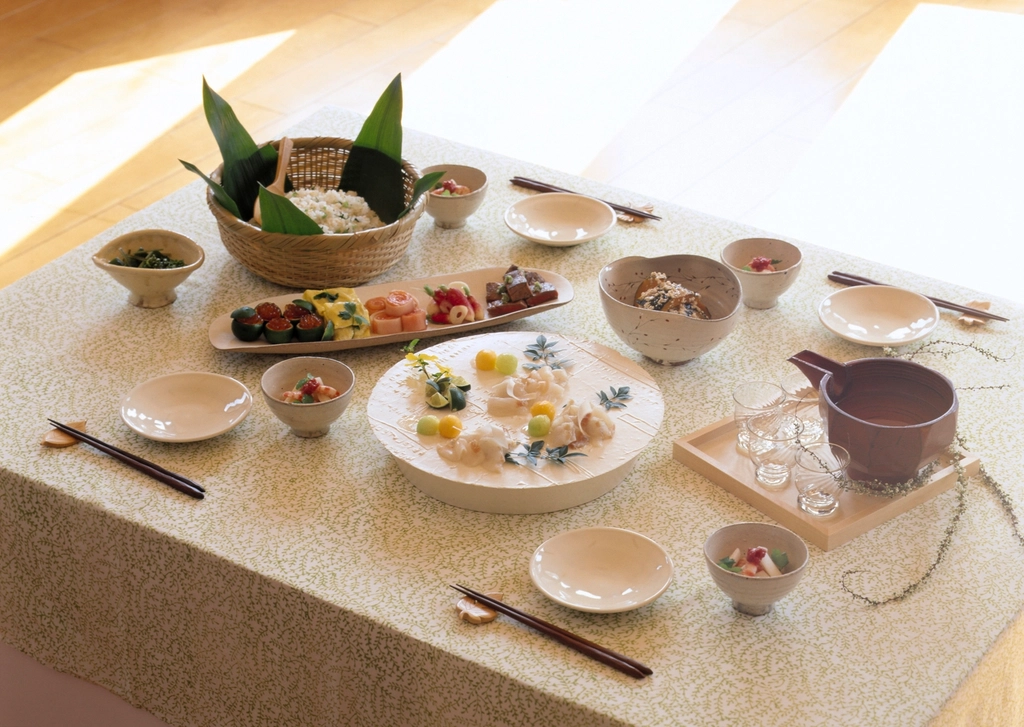
Why kaiseki and kappou pricing varies so much
Kaiseki is built as a course meal, not a single signature dish. That means the price reflects a whole sequence of choices: what is in season, how much labor each course needs, how many people are serving the table, and whether the meal is served at a counter or in a private room. The Japan National Tourism Organization’s kaiseki guide describes the cuisine as seasonal and highly attentive to presentation, which helps explain why two menus that look similar on the surface can cost very differently.
If you are new to the style, think of it like a carefully paced conversation instead of a buffet with better lighting. You are paying for the sequence, not just the final sentence.
Seasonal ingredients: why shun matters to cost and menu design
The Japanese idea of shun means ingredients are served at their best point in the season. That matters because peak-season ingredients are not always the cheapest ingredients. Sometimes they are abundant and more affordable, but sometimes the most prized version of an ingredient is also the hardest to source cleanly and consistently. The menu has to adapt to that reality.
Official Japanese food-culture sources describe seasonality as a core principle of the cuisine, from vegetables and seafood to garnishes and broth components. See the Agency for Cultural Affairs’ overview of seasonal food culture in Japan and JETRO’s explanation of how kaiseki highlights the blessings of each season in its kaiseki course guide.
- Spring menus may lean on delicate greens, bamboo shoots, and seafood with a fresh, bright finish.
- Summer courses often emphasize cooling textures, clear flavors, and careful timing for ingredients that peak briefly.
- Autumn brings mushrooms, chestnuts, and richer aromas.
- Winter can feature warming broths, hot dishes, and ingredients that take more handling to present at their best.
Seasonal planning adds cost because it asks the kitchen to choose with precision instead of simply buying the same basket every week.
Chef skill, preparation time, and multi-course service as price drivers
One of the clearest cost drivers is labor. A kaiseki meal usually involves many small courses, and each one needs seasoning, timing, plating, and coordination. The chef’s training shows up in the quiet details: knife work, broth clarity, temperature control, and knowing when not to overdo it. That last part may sound simple, but restraint is a skill too.
Preparation time also affects cost. A dish that looks calm on the plate may have required stock made in advance, vegetables trimmed by hand, seafood portioned carefully, and garnishes set aside so they arrive at the right moment. The more courses there are, the more steps there are between the market and your table.
For a broader look at how Japanese dining culture values this combination of technique and setting, Japan Travel’s food culture overview is a useful reference.
Tableware, presentation, and hospitality as part of the experience
In kaiseki, the plate is never just a plate. Tableware, lacquerware, ceramics, and seasonal garnishes all help shape the impression of the meal. A well-chosen bowl can make a simple dish feel complete, and a mismatched one can pull the whole room out of rhythm. This is part of the cost because good presentation takes planning, storage, and care.
Hospitality matters too. The service style in kaiseki and kappou dining is meant to feel calm, attentive, and deliberate rather than rushed. That usually means more staff time, more communication with the kitchen, and more attention to pacing. In other words, you are not just buying dinner; you are buying a carefully managed evening. No one is racing to clear your soup before you have found the last slice of mushroom.
Location and dining format: counter kappou vs. private-room ryotei
Where you dine changes the price structure. A counter kappou meal can feel intimate and focused, with the chef working in view and adjusting the flow in real time. A ryotei-style private-room experience may add space, privacy, and a larger hospitality footprint. Either can be worth the cost, but they are different kinds of experience.
Location matters as well. Busy urban dining rooms often face higher rent, more specialized staffing needs, and greater pressure to maintain consistency. If you are comparing menus, look at the setting as part of the value, not just the ingredients list.
How to budget for a first visit without focusing on exact prices
For a first visit, it helps to budget around the style of meal rather than chasing a specific number that may not apply by the time you book. Ask yourself a few plain questions:
- Do I want a shorter counter meal or a slower, more formal course experience?
- Am I looking for peak seasonal ingredients, or mainly for a gentle introduction to kaiseki?
- Will beverages, service charges, or taxes be separate?
- Is this a special occasion or a first-time exploration?
A practical budget should leave room for the meal itself, drinks if you want them, and the comfortable fact that good hospitality should not feel like a surprise invoice. If you are comparing options, the menu page can help you understand the style of dining on offer, and the reservations page should explain the next step.
What to ask when making a reservation or reviewing a menu
Before you book, ask what the course includes, whether the menu changes with the season, and whether there are any ingredient substitutions to expect. It is also smart to ask how long the meal usually lasts and whether the restaurant can note dietary restrictions in advance.
If you want a little more context about the restaurant itself, the About page can help, and the Contact page is the place to ask practical questions. For general navigation, the homepage is the quickest way back to the site’s main sections.
A simple checklist for choosing the right course for your occasion
- Choose a course that matches the pace you actually want to enjoy.
- Check whether seasonal ingredients are the main focus of the menu.
- Confirm what is included so you are not guessing at the table.
- Consider the room style: counter, private room, or something in between.
- Pick the setting that fits the occasion, not just the headline description.
Kaiseki is often more expensive because it is designed to be precise, seasonal, and deeply attentive. That does not make it automatically “luxury” in the flashy sense; it makes it a meal where timing, craft, and hospitality all count. Once you know what goes into the price, the menu becomes much easier to read.